
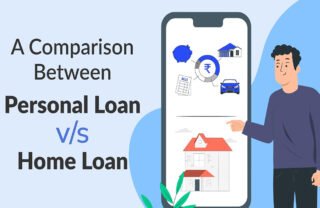
Home Loan vs Personal Loan – Which One Shou
Choosing between a home loan and a personal loan depend...
May 27, 2026
Advanced visual search system powered by Ajax


Choosing between a home loan and a personal loan depend...
Getting a loan approved quickly can feel stressful, esp...

Dear Visitors,
We are delighted to invite you to the Grand Inauguration Ceremony of Loanify Digital – Patna Branch. Join us as we begin a new chapter dedicated to providing smart, reliable, and accessible financial solutions.
The new branch is being inaugurated to bring convenient financial services and professional assistance closer to our customers. We look forward to building strong relationships and helping individuals and businesses with their financial requirements.
📅 Friday, 14 August 2026
⏰ 1:00 PM Onwards
📍 501, 5th Floor, Hariom Commercial Complex, New Dak Banglaw Road, Near Exhibition Road Chauraha, Patna – 800001
Branch Managed by: Parvind Kumar (State Head)
Branch Inaugurated by: Rajnish Suman, Founder & Managing Director, Loanify Digital
We warmly invite you to be a part of this special occasion. We look forward to welcoming you!
Join us for the Grand Opening of Loanify Digital.